Drainage in Rothwell
Rothwell sits in the southern Leeds metropolitan area (LS26), occupying a transitional zone between the former heavy industry belt of the Aire Valley and the newer residential suburbs of south Leeds. This geographic position has left Rothwell with a highly varied drainage landscape — one that reflects more than a century of construction phases, industrial legacy, and ongoing residential development.
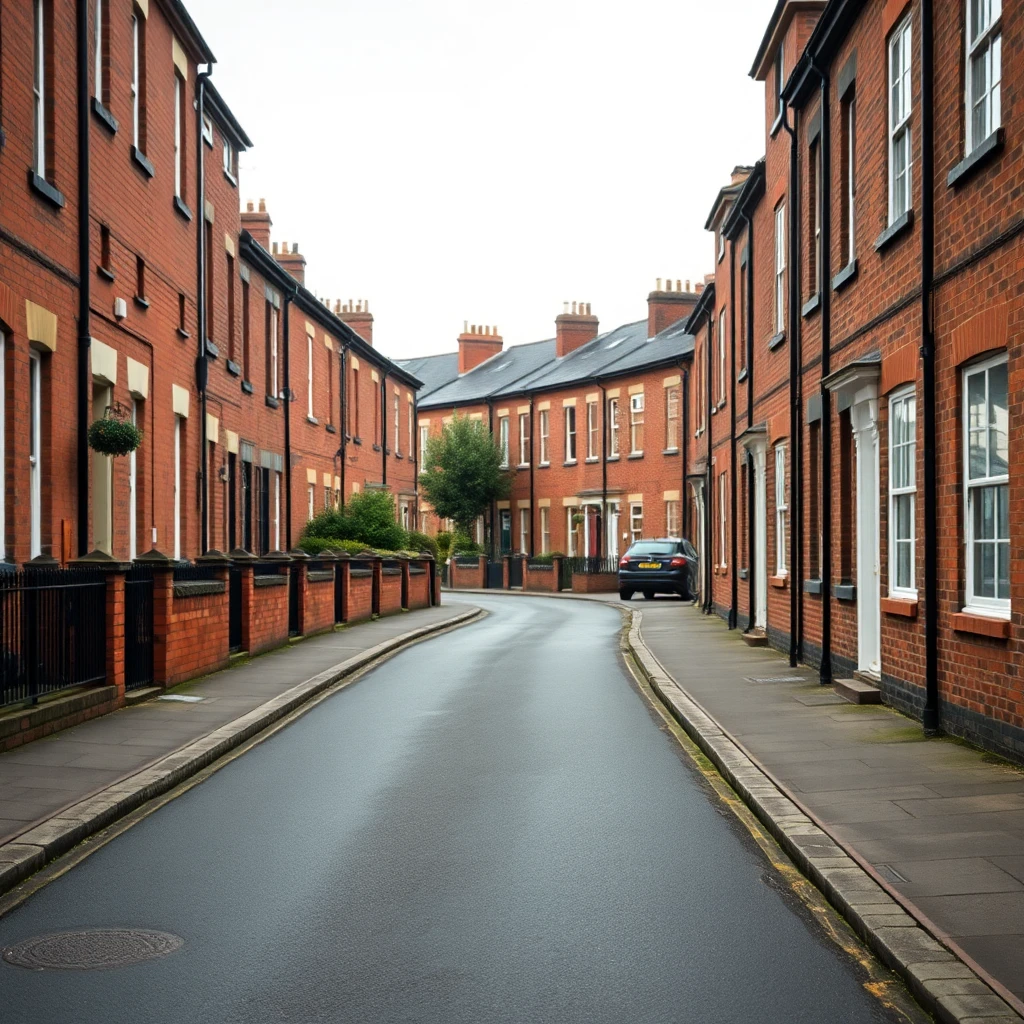
The oldest residential core of Rothwell features Victorian and Edwardian terraced housing with clay drainage that is now well over 100 years old. These properties typically have combined drainage systems — carrying both foul water and surface water in a single pipe — which are particularly vulnerable to capacity issues during heavy rainfall. The clay pipes of this era are subject to age-related cracking, joint displacement from ground movement, and root intrusion from mature garden trees. In back-to-back and courtyard terraces, access for drainage maintenance can be challenging, requiring specialist jetting equipment and experienced engineers familiar with these layouts.
The inter-war and post-war housing that makes up a significant proportion of Rothwell's residential stock introduces a different set of challenges. These properties were built with separate foul and surface water drainage — generally a more resilient arrangement — but the pipe materials and connections have aged considerably. Many have been extended and modified over the decades, creating additional junctions and connections that can be points of weakness.
Rothwell's former industrial sites, including areas associated with coal mining and light manufacturing, have largely been redeveloped for housing. As with neighbouring Garforth and Morley, the legacy of industrial activity can include ground that is not entirely stable, with drainage pipes subject to gradual movement. Properties on former brownfield sites should be aware of this risk and consider periodic CCTV surveys as part of their property maintenance.
The newer estates on the edges of Rothwell and in neighbouring Woodlesford and Oulton feature modern plastic drainage and are designed to Yorkshire Water's current standards. However, the volume of new development in the wider south Leeds area has increased demand on the sewer network, and capacity issues during storm events are a growing concern. Sustainable drainage features on newer estates, including soakaways and permeable surfaces, require periodic maintenance to remain effective.
Woodlesford, directly adjacent to the River Aire, faces the specific drainage challenge of riverside properties — a high water table, periodic flood risk, and the need to manage both surface water and groundwater. Properties in the Aire corridor should ensure their drainage systems are regularly maintained and that sump pumps or flood protection measures are in good working order.