A blocked drain rarely happens overnight. In most cases, there are warning signs that build up over weeks or even months before a complete blockage occurs. Recognising these signs early can help you avoid costly emergency callouts and potential water damage to your property.
1. Slow Draining Water
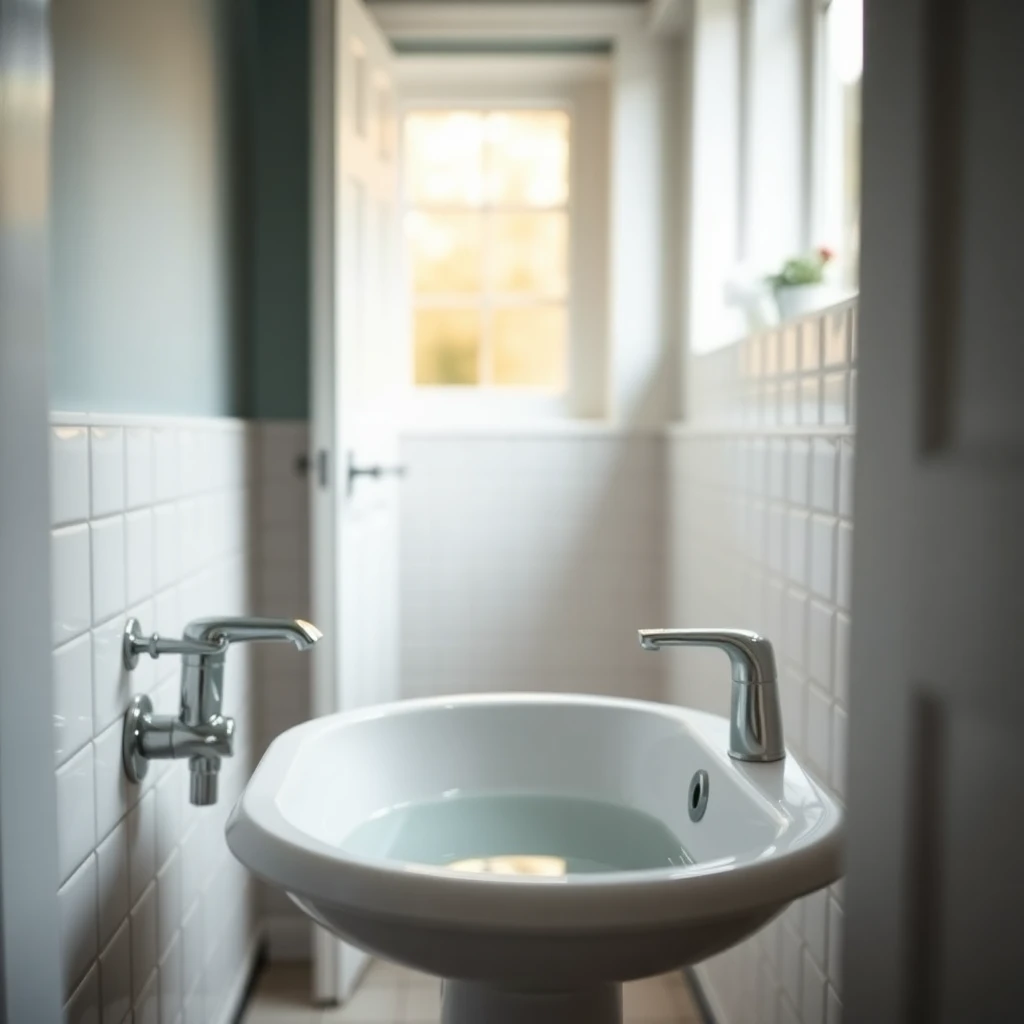
The most common early sign of a developing blockage is water that drains more slowly than usual. You might notice your sink takes longer to empty, or water pools around your feet in the shower. This typically indicates a partial blockage that will worsen over time.
2. Gurgling Sounds
If you hear gurgling noises coming from your drains, plughole, or toilet after flushing or emptying a sink, this suggests air is trapped in the pipes. This is often caused by a blockage restricting normal water flow and allowing air bubbles to form.
3. Unpleasant Odours
Bad smells coming from your drains are a clear indication that something is decomposing in your pipes. This could be food waste, grease buildup, or other organic matter that has become stuck and is now rotting.
4. Rising Water Levels in Toilets
If the water level in your toilet rises higher than normal when you flush, or if it takes a long time to return to the normal level, you likely have a blockage somewhere in the system. This is particularly concerning if it affects multiple toilets in your property.
5. Water Coming Back Up
When water starts coming back up through drains or toilets, you have a serious blockage that needs immediate attention. This can quickly lead to flooding and potential sewage backup into your home.
6. Multiple Blocked Fixtures
If more than one drain in your home is affected, the blockage is likely in the main sewer line rather than individual pipes. This requires professional equipment to diagnose and clear.
7. Damp Patches or Water Marks
Unexplained damp patches on walls or floors near drainage pipes could indicate a leak caused by pressure from a blockage. Left untreated, this can cause structural damage and mould growth.
When Leeds Properties Are Most at Risk
Leeds properties face above-average drainage risk in several specific situations. Victorian terraces in Headingley, Hyde Park, and Burley — now often HMOs housing multiple students — place far more load on drainage systems designed for single-family use. Clay pipes in these properties are 130 to 150 years old and increasingly fragile at the joints.
Autumn brings heightened risk as falling leaves from Leeds' tree-lined streets block surface water gullies faster than any other season. Checking and clearing external drains before winter is a simple step that prevents many emergency callouts.
Heavy rainfall creates particular problems for properties in lower-lying areas near the River Aire. During intense rain events, properties around the South Bank, Kirkstall, and Armley can experience backflow into ground-level drains when the combined sewer network is overwhelmed. If you have had water return through an external drain after a downpour, this is worth investigating before the next significant weather event.
Landlords with student properties in Headingley should check drainage at the start of each academic term. Systems that have been idle over summer face their highest load within days of new tenants arriving. A preventative inspection and jetting before each new tenancy costs a fraction of an emergency callout during term time.
What to Do Next
If you notice any of these warning signs, it's best to act quickly. While minor slow drainage might be resolved with a plunger, persistent issues usually require professional attention. Our team at Drain Unblocker Leeds can quickly diagnose the problem using CCTV drain surveys and clear blockages using high-pressure jetting.
If you're experiencing a complete blockage, our blocked drain specialists are available 24/7 across Leeds and surrounding areas. For urgent situations, our emergency drain service guarantees a rapid response.
Request a no-obligation quote online to book an appointment.