
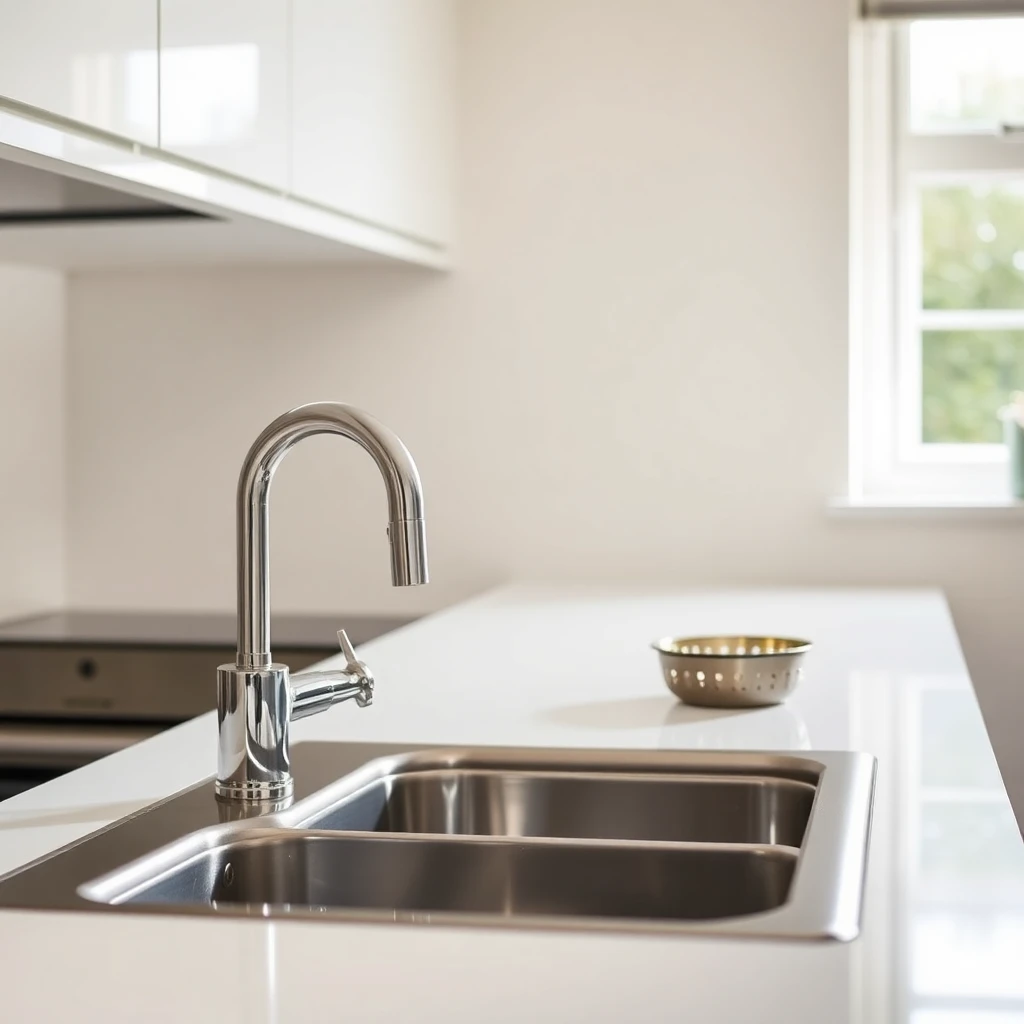
Kitchen drains handle more abuse than any other drain in your home. Between cooking oils, food scraps, soap residue, and everything else that goes down the sink, it's no wonder they're the most frequently blocked drains we see in Leeds homes.
Why Kitchen Drains Block So Easily
The primary culprit is fats, oils, and grease (often called FOG in the plumbing industry). When hot, these substances are liquid and flow easily down the drain. However, as they cool in your pipes, they solidify and stick to the pipe walls. Over time, this buildup catches other debris and eventually creates a complete blockage.
Daily Habits to Prevent Blockages
Never Pour Grease Down the Drain
This is the single most important rule for preventing kitchen drain blockages. Instead of pouring cooking oil or fat down the sink:
- Let it cool and solidify, then scrape it into the bin
- Pour small amounts into a container and dispose of it with your household waste
- For large amounts of oil, take it to your local recycling centre
Use a Sink Strainer
A simple mesh strainer catches food particles before they enter your drain. Empty it into your food waste bin after each use. This inexpensive device can prevent the majority of kitchen blockages.
Scrape Plates Before Washing
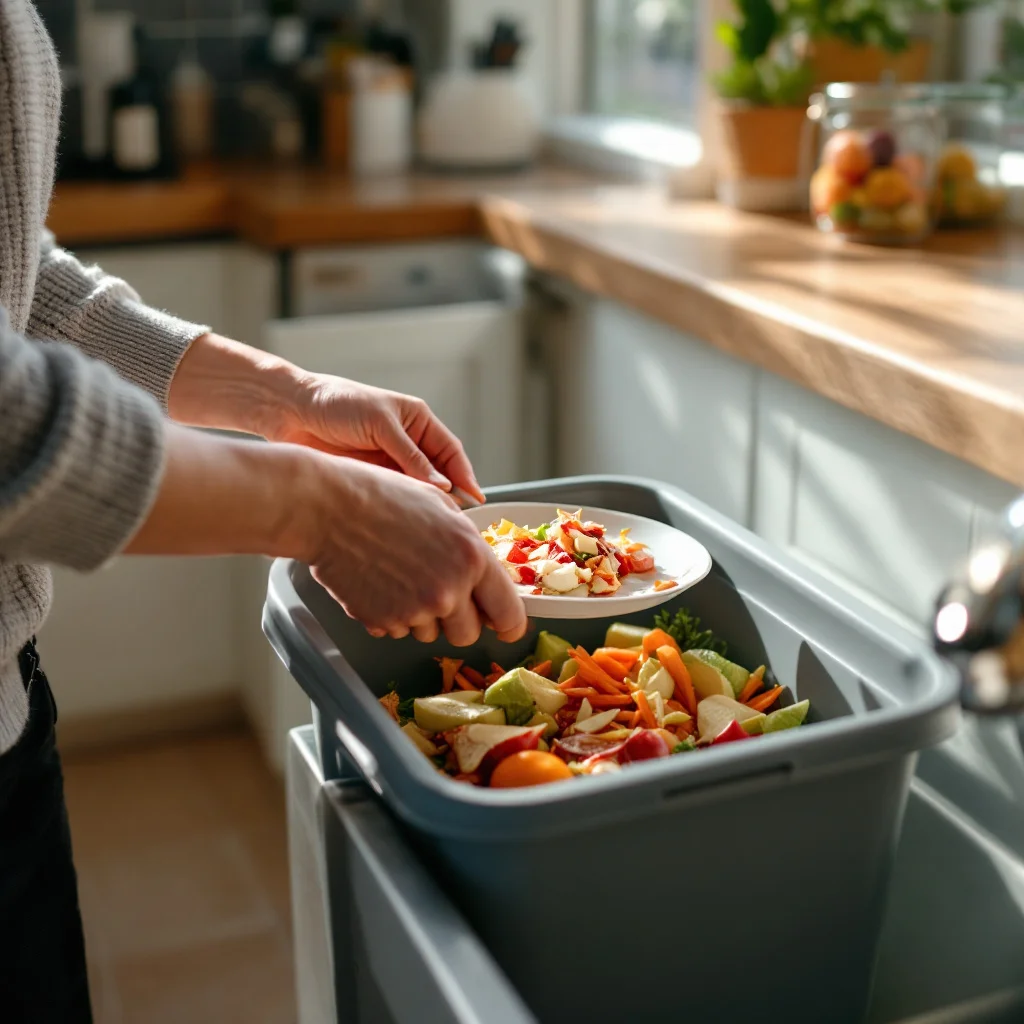
Remove all food debris from plates, pots, and pans before they go in the sink. Even with a garbage disposal unit, large amounts of food waste can overwhelm your drainage system.
Run Hot Water After Use
After washing up, run hot water for 15-30 seconds to help flush any remaining residue through the pipes. This is especially important after washing greasy items.
Weekly Maintenance Tips
Hot Water Flush
Once a week, boil a full kettle of water and pour it slowly down the kitchen drain. The heat helps dissolve any grease that may be starting to build up on the pipe walls.
Natural Cleaning Solution
For a deeper clean, try this natural method monthly:
- Pour half a cup of baking soda down the drain
- Follow with half a cup of white vinegar
- Wait 15 minutes while it fizzes
- Flush with boiling water
This helps break down organic matter without using harsh chemicals that can damage older pipes.
What to Avoid
- **Chemical drain cleaners**: While they can clear minor blockages, regular use can corrode pipes
- **Coffee grounds**: Despite myths, they don't clean drains and actually contribute to blockages
- **Flour and starchy foods**: These form a paste-like substance in pipes
- **Eggshells**: They break into small pieces that catch other debris
When to Call a Professional
If you notice water draining slowly despite following these tips, or if you experience recurring blockages, there may be a deeper issue in your drainage system. A professional CCTV drain survey can identify the root cause and prevent future problems.
For persistent kitchen blockages, professional drain jetting thoroughly cleans the pipe walls and removes grease buildup far more effectively than DIY methods. If you have a blocked sink that won't clear, our engineers can usually resolve it within the hour.
Contact Drain Unblocker Leeds for expert advice and assistance — get in touch online.
Advice for Leeds Landlords and HMO Properties
Student HMOs in Leeds — concentrated in Headingley, Hyde Park, and Burley — are among the most demanding environments for kitchen drains. Multiple tenants sharing cooking facilities means significantly more food waste, grease, and debris entering drainage systems designed for single-family homes.
Practical steps for landlords to reduce kitchen drain problems:
- Install quality drain guards in all kitchen sinks before each tenancy begins. They cost a few pounds but prevent costly blockages.
- Include brief drain care guidance in your welcome pack. Many tenants do not know that cooking oil should never go down a sink drain.
- Schedule preventative drain jetting annually during the summer void period. This removes grease buildup from the previous tenancy before it causes a complete blockage when the next tenancy begins at full occupancy.
- Consider a CCTV drain survey every two to three years to monitor pipe condition. Victorian HMOs in Headingley are particularly vulnerable to joint deterioration and tree root intrusion from the area's mature street trees.
The cost of preventative jetting is a fraction of an emergency callout and considerably less than flood damage remediation to a lower-floor flat.